
Production, Manufacturing & Recycling
Factories, Warehouses, Production Plants and Recycling Facilities.
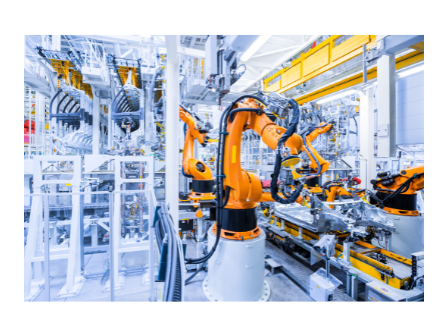
4495
Higher Risk
Fires occurring in industrial or commercial buildings within the United Kingdom from 2019 to 2020.
Gov.uk
Extended operational periods and the continuous running of equipment across multiple shifts significantly increase the likelihood of equipment malfunctions, particularly when maintenance is deferred due to associated shutdown costs.
24%
Electrical Fault are responsible for 24% of non residential building fires.
Aggrigated Data
Paired Protection
Investing in a Local Automatic Fire Extinguisher System is essential for enhancing safety and protecting your equipment. Such systems are designed to operate continuously, providing round-the-clock fire protection.
They are strategically installed to detect and extinguish fires automatically, thereby minimising potential damage and ensuring a swift response in case of an emergency.
By choosing a reliable fire suppression solution, you significantly reduce the risks associated with fire hazards, ensuring the safety of both your assets and personnel at all times.
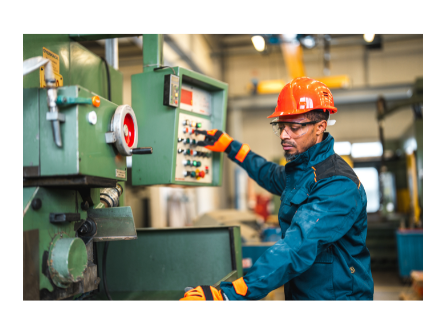
Factory Machines
The ageing of equipment and extended usage heighten the risk of electrical component failures in machines. As machinery ages, the challenge of repairing it increases due to the reduced availability of replacement parts.
If the affected machinery is deemed mission-critical, the financial implications of downtime can be substantial for your business.
Implementing Local Automatic Suppression systems can significantly mitigate fire damage to the compromised components, safeguarding the integrity of your operations.
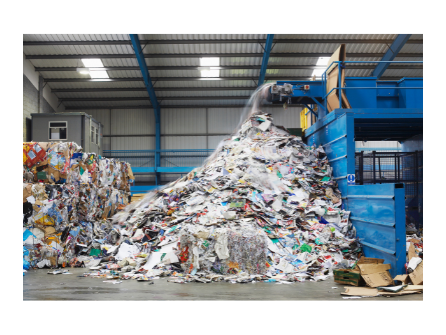
Recycling Centers
In recent years, disposable lithium-ion batteries have been the attention from media outlets.
At the same time, advancements in fire suppression technology are progressing swiftly, resulting in the emergence of market solutions that have been demonstrated to effectively control the propogation of fires, thereby minimising damage.
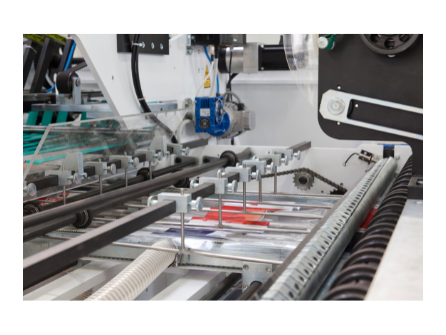
Automated Production
The reduction in workforce on the shop floor, coupled with extended run times and automated processes, can lead to decreased monitoring and vigilance regarding component overloading, increasing the risk of fire incidents.
Implementing Automatic Suppression systems is a cost-effective investment that aids in maintaining workforce awareness, facilitating rapid detection of fires, and effectively suppressing or potentially extinguishing them entirely.
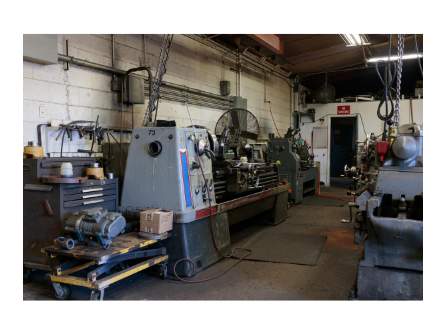
Fabrication Shops
Numerous reputable fabrication facilities, characterised by diligent labour and commitment, may inadvertently neglect the necessity for Automatic Fire Suppression Systems.
In confined, multifunctional work environments, it is not uncommon for combustible materials to be incorrectly stored, either out of convenience or oversight.